The 737 rudder control system is an essential part of the Boeing 737 aircraft. It helps pilots maintain proper directional control during flight. A well-functioning rudder system ensures smooth turns, stability, and safety, both on the ground and in the air.
In this guide, we will explain how the 737 rudder control system works, its components, and why it is crucial for aviation safety.
Explore new industrial parts at our store
What is the 737 Rudder Control System?
The 737’s rudder control system lets pilots control how the plane moves in yaw. Yaw is the movement of the nose of the plane from side to side. The system links the rudder pedals in the cockpit to the plane’s tail rudder.
With this system, pilots can:
- Right direction of flight
- Stay steady in crosswinds
- Help with turns that are in sync
- Make sure landings are safe.
Because of this, the 737’s rudder control system is an important part of the plane’s flight controls.
Key Components of the 737 Rudder Control System:
There are a few important parts that make up the 737 rudder control system:
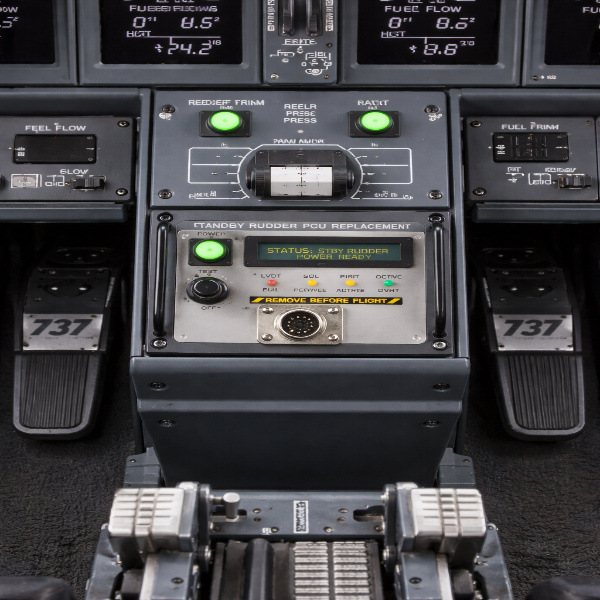
- Pedals for the rudder
In the cockpit, you’ll find these pedals. The pilots push them to turn the rudder to the left or right.
- Actuators that use hydraulics
Hydraulic actuators give the rudder the power it needs to move smoothly.
- Cables and Linkages for Control
These send pilot inputs from the rudder pedals to the rudder.
- Surface of the Rudder
The part that moves on the tail that controls the aircraft’s yaw.
- Electronic Sensors (in newer models)
Sensors keep an eye on the position of the rudder and send information to the flight computers.
How the 737 Rudder Control System Works:
The system works by using both mechanical and hydraulic parts. When the pilot pushes the rudder pedals, the movement is sent to the rudder surface through linkages and hydraulic actuators.
This process lets:
- Changes in direction that are smooth
- Fast response in emergencies
- Exact control in turbulence and crosswinds
Advanced 737 models also have electronic monitoring built in for safety and backup.
Common Issues with the 737 Rudder Control System:
The 737’s rudder control system is usually reliable, but there are some problems that can happen:
- Hydraulic leaks that make the rudder move
- Control cables or linkages that are worn out
- Rudder hard-over because of broken parts
- Problems with sensors in modern planes
To make sure safety and smooth operation, regular inspections and maintenance are necessary.
Maintenance Tips for the 737 Rudder Control System:
Follow these best practices to keep the 737’s rudder control system in great shape:
Check the hydraulic lines for leaks.
Look at the linkages and rudder pedals.
Check how well the actuator works
Check electronic sensors (if they are present)
Regularly calibrate the system
Regular maintenance keeps things running smoothly and stops expensive breakdowns.
Why the 737 Rudder Control System is Important?
The 737’s rudder control system is very important for keeping the plane safe. It helps pilots keep their cool when things get tough, like when
- Strong winds from the side when landing
- Engine failures that need differential thrust
- Coordinated turns at high speeds
- Maneuvers in an emergency
If the rudder system doesn’t work right, the safety and stability of the plane can be at risk.
Conclusion:
The 737 rudder control system is a vital component of Boeing 737 aircraft. Understanding its components, function, and maintenance is key for aviation professionals and enthusiasts.
By ensuring proper inspection and timely maintenance, pilots can rely on the rudder system for smooth, safe, and controlled flights every time.